Entryway Pavers vs Concrete Walkways: How to Choose for Your Home
Your front walk sets the tone for every arrival. It shapes curb appeal, handles foot traffic, and withstands weather day after day. The two most common choices are interlocking pavers and poured concrete. Both can look great and perform well if built right, but they differ in cost profile, maintenance, repairability, and drainage.
This guide explains the perks, differences, and trade-offs and helps you match the surface to your climate, budget, and style. You will also find clear examples, a quick checklist, and short answers to common questions.
TL;DR
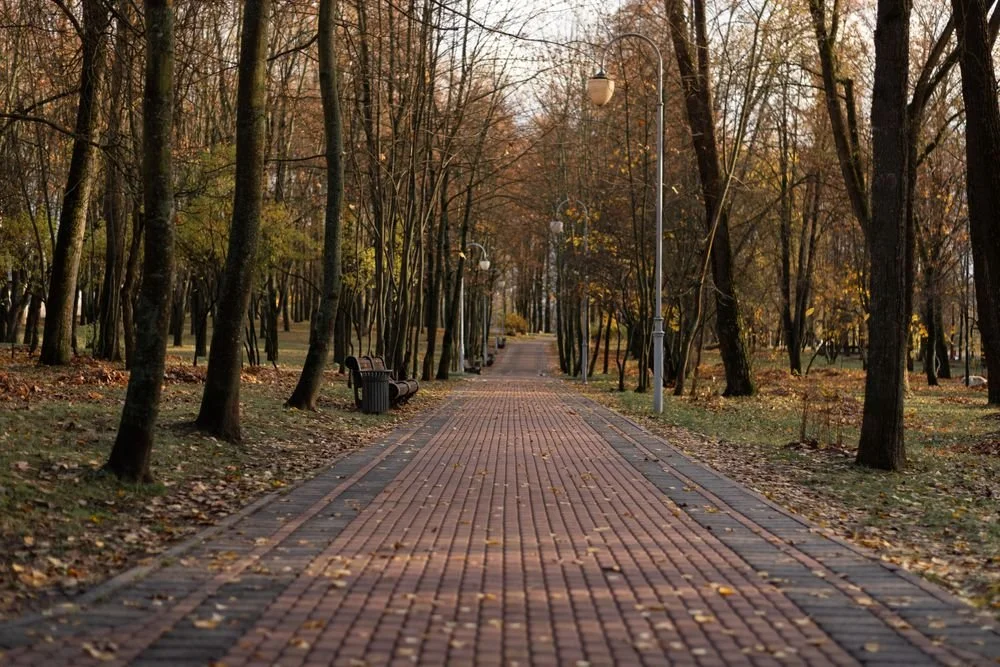
Pavers cost more upfront but are easier to repair one unit at a time and can manage water better with permeable options.
Concrete is often less expensive initially, but it can develop cracks as it ages, and repairs are typically more visible than individual paver replacements.
In freeze-thaw climates or where you want stormwater benefits, permeable interlocking pavers shine.
For universal access, both can comply if built smooth, firm, and slip-resistant. Local specs still apply.
Pick the look you love, then confirm base prep, drainage, and standards before you pour or place.
What You Are Comparing
If you're choosing a new front walkway, compare more than appearance and upfront price. Drainage, repairability, site conditions, and long-term maintenance can all affect which surface makes more sense for your San Diego County property.
Interlocking concrete pavers: Factory-made units that lock together over a compacted base and sand joints. They can be standard or permeable.
Poured concrete walkway: A continuous slab placed on a prepared subgrade. Joints control cracking but don't prevent it.
Permeable pavers: A system that lets rain pass through joints to a stone reservoir, reducing runoff.
If pavers fit your priorities, Aviara Pavers can help you compare materials, patterns, and layouts that work with your home’s architecture and existing hardscape. Our San Diego paver services can help you compare materials, patterns, and layouts that work with your home’s architecture and existing hardscape.
Our professional paver installers follow ICPI installation standards by using proper base preparation, bedding and joint materials, compaction, drainage, and edge restraints to support long-term performance. These installation practices help create a stable, well-draining walkway designed for your San Diego property.
Entryway Pavers vs Concrete Walkways: Key Differences
Evaluating entryway and walkway performance side by side highlights how materials respond to foot traffic, ground shifts, and seasonal moisture over time.
| Factor | Entryway Pavers | Concrete Walkway |
|---|---|---|
| Upfront Cost | Usually higher materials and labor | Usually lower initial cost |
| Durability | High; individual units can be lifted and reset | High; slab can last decades, but cracks are likely |
| Repair | Easy to swap single pavers with near-invisible fixes | Patches stand out; larger sections may need replacement |
| Drainage | Permeable pavers reduce runoff and help filtration | Slab is impervious; relies on slope and drains |
| Ground Movement | Individual pavers can often be lifted and reset after localized settlement | A continuous slab can crack or become uneven if the underlying soil moves |
| Accessibility | Can meet accessibility requirements when joints are tight, and the surface is firm, stable, slip-resistant, and even | Can meet accessibility requirements when the surface is firm, stable, slip-resistant, and properly sloped |
| Aesthetics | Many colors, textures, patterns | Clean, modern look; can be broomed, stamped, or colored |
| Timeline | Installable in phases; walkable soon after | Needs placement, finishing, and curing time before use |
Performance You Can Feel Day-to-Day
Walking up to your front door every day should feel comfortable, secure, and visually pleasing for every family member and guest. Getting familiar with daily performance differences shows how proper drainage and slip-resistant surfaces protect your household through bright coastal sun or unexpected rain.
Drainage and Stormwater
If water routinely pools by your steps, consider permeable interlocking concrete pavers. A properly designed permeable-paver system can temporarily store water within its open-graded stone layers and allow it to infiltrate or drain through the system, helping reduce surface runoff.
Many cities recognize permeable pavements as a green infrastructure practice. Traditional concrete is impervious, so it depends on correct slope away from the house and working drains to keep water moving.
Ground Movement and Settlement
Walkways can become uneven when the underlying soil settles, drainage changes, or nearby roots disturb the surface. Because pavers are individual units, you can often lift affected areas, correct the base, and reset the same pavers.
Concrete slabs can also perform well on a properly prepared site, but movement beneath the slab may result in cracking or uneven sections that are harder to repair discreetly.
Accessibility and Safety
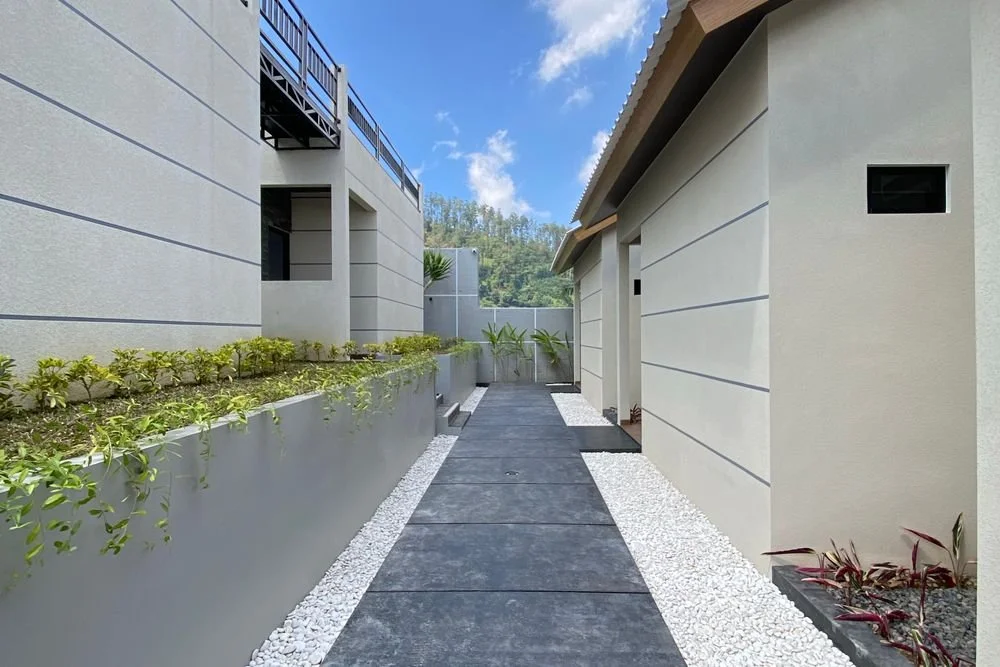
Where accessibility standards apply, either surface may be suitable. Still, the finished route must meet all applicable requirements for stability, slope, changes in level, openings, and clear width.
ADA Standards require accessible floor and ground surfaces to be stable, firm, and slip-resistant, but they don't specify a single coefficient of friction. In practice, well-installed broom-finished concrete or pavers with tight joints and even transitions meet expectations. Avoid lippage (edges sticking up), ruts, and loose joint material.
Installation and Base Prep
Much of a walkway’s performance depends on work you will not see once the project is finished, so base preparation is an important topic to discuss with your installer. Pavers typically use a compacted aggregate base and bedding layer, while concrete preparation varies with soil, drainage, loading, and project requirements.
Pavers typically sit on a compacted stone base with a thin bedding layer, whereas edge restraints keep the field tight. Many interlocking pavers are manufactured to meet ASTM performance standards. Concrete installation typically involves preparing the subgrade, setting forms, providing any required base or reinforcement, adding appropriate joints, and curing the slab.
For a paver entryway, Aviara Pavers can evaluate the site and plan the excavation, base preparation, drainage, edge restraints, and paver layout as part of the installation.
Look and Feel
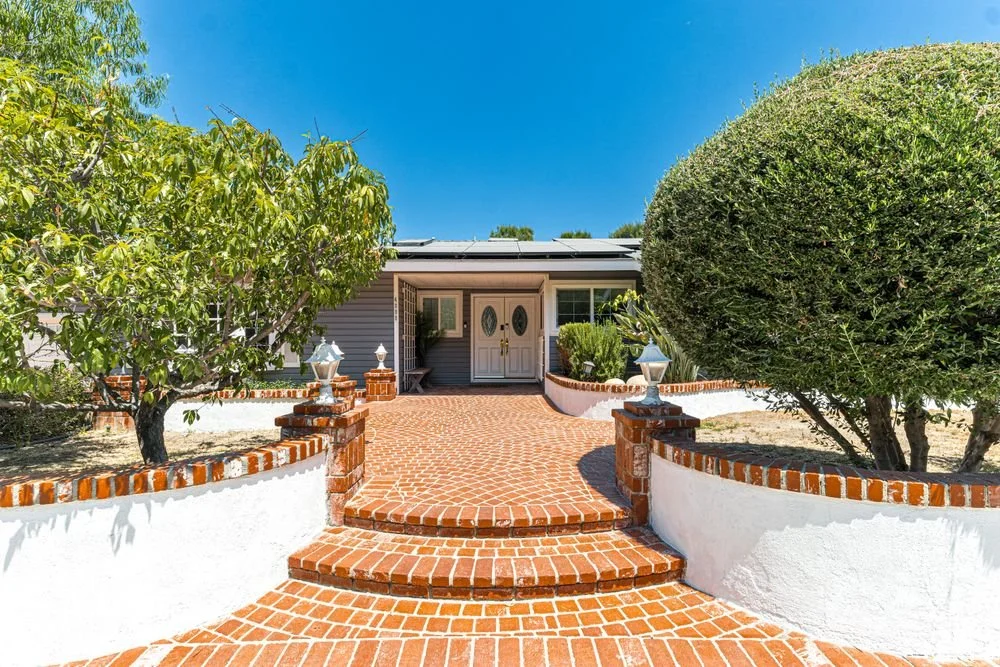
Pavers come in dozens of colors, sizes, and patterns for old-world, coastal, or modern styles. You can border the path, curve it, or add accents at the stoop. Concrete gives a simplified look that suits modern architecture. Finishes range from broom to exposed aggregate or stamp-and-stain.
Lighter, more reflective surfaces may stay cooler in direct sun than darker alternatives, although material, texture, shade, and exposure also affect surface temperature.
Local Rules and Typical Thickness
Requirements can change when a walkway connects with a public sidewalk, driveway apron, curb, or other public right-of-way. If your San Diego-area project reaches a sidewalk, curb, driveway apron, or other public right-of-way, ask your installer which local permitting and construction requirements apply.
Examples
These scenarios illustrate how different walkway choices solve specific yard challenges across various climates and architectural styles.
Cold-Weather Suburban Entry
A homeowner in San Diego replaces a cracked 30-foot front walk. Snowmelt used to refreeze overnight, creating icy spots by the steps. They choose permeable interlocking pavers over a 12-inch open-graded stone base that drains to daylight.
The surface stays even through winter, while no standing water returns. If tree roots raise a corner years later, a few pavers can be lifted, the bedding leveled, and the units reinstalled to match.
Modern Minimalist Look in a Mild Climate
A ranch home in San Diego wants a crisp, linear entry to match a new facade. The contractor forms a straight 4-foot-wide broom-finished concrete walk with a light color for cooler summers.
Cut transverse control joints at regular intervals, and cure and seal the slab before the first winter. The result is budget-friendly and low maintenance. Minor hairline cracks are expected but less visible with the broom finish.
Actionable Steps / Checklist
Use these questions and planning steps to compare your options and understand what a qualified installer should account for before construction begins.
Confirm your priorities: Drainage help, easy repairs, or lowest upfront cost.
Ask which local requirements apply: Your installer should account for relevant setbacks, right-of-way rules, accessibility requirements, and permitting needs.
Match the system to the site: Consider soil stability, slope, drainage, irrigation runoff, foot traffic, and how the walkway connects with nearby hardscape.
Ask about the base preparation: Your installer should explain how the subgrade, aggregate base, and drainage layers will be prepared for your specific site.
Review the material choices: Choose the paver style or concrete finish you prefer, and ask your installer how the selected materials will meet project requirements.
Review edges and transitions: Ask how the installation will handle paver edges, steps, thresholds, slopes, and connections to existing hardscape.
Plan maintenance: Protect new concrete while it cures, and keep permeable-paver joints free of sediment so the system can continue draining properly.
Keep your project records: Save material information, warranty documents, final selections, and installation photos in case you need repairs or matching materials later.
Glossary
Learning common hardscaping terminology helps you communicate clearly with installation teams throughout the planning and build phases.
Air entrainment: Tiny, well-dispersed air bubbles in concrete that relieve pressure during freezing and improve freeze-thaw durability.
Bedding sand: A thin layer of sand placed over the base to seat pavers evenly.
Control joint: A planned groove or cut in concrete that encourages cracks to form in a straight line.
Interlocking concrete paver: A manufactured concrete unit shaped to lock with neighbors, creating a flexible, load-spreading surface.
Permeable interlocking concrete paver (PICP): A paver system with wider joints and open-graded stone layers that store and infiltrate stormwater.
Scaling: Loss of thin surface layers of concrete, often linked to freeze-thaw and deicers.
Slip-resistant: A surface characteristic required by accessibility rules. The ADA sets a performance expectation without a specific numeric friction value.
Subgrade: The native soil prepared and compacted to support the base and surface.
FAQ
Q: Which lasts longer, pavers or concrete?
A: Both can last decades with good base prep. Pavers are often easier to repair invisibly, which can extend their practical life.
Q: Do pavers shift or settle?
A: Proper excavation, compaction, base preparation, and edge restraints greatly reduce shifting and settlement. If a localized dip develops, you can often lift and reset affected pavers.
Q: Can I use salt on my walkway?
A: Use caution. Some deicers and early-life exposure can damage concrete surfaces. Follow local guidance and consider sealing. Permeable systems that drain meltwater reduce surface refreezing.
Q: Are permeable pavers hard to maintain?
A: Permeable pavers require some additional maintenance because sediment can collect in the joints. Routine debris removal and occasional specialized cleaning can help preserve the system’s drainage ability.
Q: What standards should I look for?
A: For pavers, ask about compliance with recognized product standards. For concrete, confirm mix design, air content where needed, and curing. Both should comply with the building, right-of-way, and accessibility requirements that apply to the specific property and project.
Final Thoughts
Choose the surface that best fits your priorities and style, then make sure your installer has accounted for the site’s base preparation, grading, drainage, and transitions.
If easy localized repairs, design flexibility, or certain drainage options are priorities, pavers may be the stronger fit. Basic poured concrete can still be a practical choice when a simple, continuous surface and lower initial cost matter most.
If you're comparing options for a San Diego entryway, Aviara Pavers can assess the existing surface, grading, drainage, and surrounding hardscape before designing and installing a paver walkway.