Concrete Pavers vs Asphalt Driveways: How to Choose What Works For Your Home
Choosing a driveway surface affects your home’s curb appeal, drainage, maintenance needs, and everyday access. In San Diego County, sun exposure, property slope, soil conditions, and runoff during seasonal rains should also shape your decision.
Concrete pavers and asphalt both work, but they shine in different ways. This guide explains the differences, benefits, and real trade‑offs. You will see where each surface fits, what upkeep looks like in the first years, and how climate and drainage tilt the decision.
By the end of this guide, you'll be able to make a smarter choice with your driveway installation. With the help of our paver installers, you can prepare and expect a quality driveway that can withstand local conditions.
TL;DR
Asphalt generally costs less upfront and installs quickly, but it requires crack care and occasional sealcoating as it ages.
Concrete pavers generally cost more initially, but they offer more design choices and allow damaged or settled areas to be lifted and reset.
For drainage, permeable versions of both exist. Typical hot‑mix asphalt is nearly impervious, while permeable interlocking pavers send water through their joints.
In hot sun, lighter pavers can stay cooler than dark asphalt. In cold regions, pavers handle freeze‑thaw well when built to spec.
What Each Surface Is and How It Performs
Both surfaces can support normal residential vehicle traffic when the base, drainage, thickness, and installation method suit the property. While proper base thickness, drainage, and edge control dictate overall success, each material functions through distinct engineering methods:
Asphalt Driveways: Built from mineral aggregate bound with asphalt bitumen, this flexible pavement is laid in lifts over a compacted stone base. Traditional hot-mix options shed surface water, whereas specialized porous mixes allow water to drain directly through the layer.
Concrete Paver Systems: Concrete pavers are individual units installed over bedding material and a compacted aggregate base, with edge restraints helping the finished surface remain stable. Permeable interlocking concrete pavement (PICP) features stone-filled joints that guide water into a stone base reservoir beneath.
Aviara Pavers installs concrete paver systems using industry-recognized Interlocking Concrete Pavement Institute (ICPI) installation practices, now maintained by the Concrete Masonry & Hardscapes Association (CMHA). Following these standards helps ensure proper base preparation, compaction, edge restraints, and joint construction so the finished driveway is built for long-term performance.
Cost, Speed, and Disruption
If you want fast installation, asphalt is hard to beat. Crews can pave large areas in a day and, depending on weather and mix, many pros recommend waiting a few days before opening to regular vehicle traffic. Pavers don't require a concrete-style curing period and can generally support normal traffic once installation, compaction, and joint filling are complete.
Asphalt generally has the lower upfront cost, especially on larger or simpler driveway layouts. Pavers take more labor and precision, but they return value with curb appeal and future repair flexibility. If a utility repair or localized settlement affects the driveway, installers can lift the pavers, correct the underlying area, and reinstall matching units with less-visible repair boundaries.
Our paver installation specialists can compare paver sizes, materials, colors, patterns, base requirements, and project scope. This allows homeowners to receive an estimate based on the actual site rather than a generic square-foot figure.
Durability, Maintenance, and Repairs
Asphalt maintenance may include crack filling and sealcoating after the surface has aged, with timing based on condition, climate, traffic, and the contractor’s recommendations. Crack sealing and patching are straightforward but remain visible.
Check the joints after installation and following heavy rain or cleaning, because joint material can settle or wash out over time. Polymeric joint sand can reduce erosion and weed growth, but it doesn't eliminate maintenance or prevent every airborne seed from germinating. If a section settles or a utility cut is needed, remove pavers, correct the base, and reinstall the same units.
In freezing climates, paver quality, base drainage, joint design, and proper installation affect resistance to freeze-thaw movement and deicing salts. For most San Diego County properties, sustained sun, drainage, soil movement, slopes, and seasonal rain are more relevant design considerations than frost depth.
Drainage and Climate Fit
Drainage should be one of the first factors you evaluate because the driveway must move or manage water without directing it toward the home, garage, neighboring property, or unstable slopes. Conventional asphalt is relatively impermeable, so surface grading and gutters must move runoff away. Porous asphalt exists, using an open‑graded mix that allows infiltration into a reservoir stone base.
In a permeable interlocking concrete pavement system, water passes through stone-filled joints into an open-graded base designed to store, infiltrate, or drain runoff. In wet basins or on clay soils, either permeable system may include underdrains that connect to an outlet.
Your soil, slope, drainage outlet, groundwater conditions, and local requirements determine whether permeable paving is appropriate. We can review the driveway’s slope, surrounding hardscape, discharge path, and connection to entryways or outdoor living space before developing the paver layout and base plan.
Comfort, Curb Appeal, and Heat
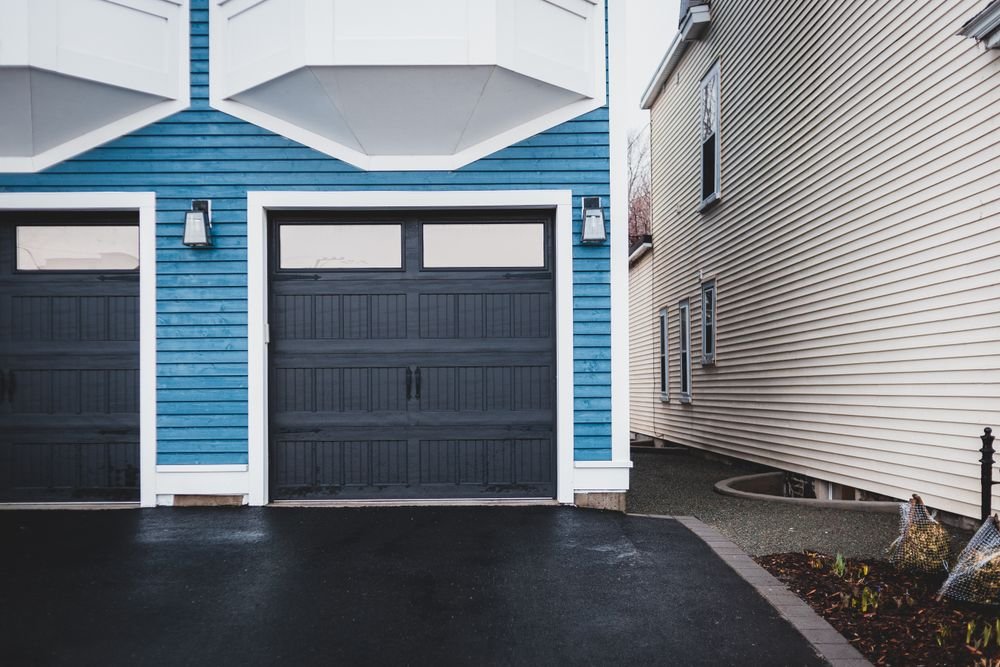
Asphalt is smooth and uniform, but it absorbs more solar energy, which can raise surface temperatures and add to urban heat. Light-colored pavers may absorb less solar heat than black asphalt, although any exposed paving surface can become hot during direct summer sun.
Snow and ice care differs slightly. Pavers can be plowed with a standard blade fitted with a protective edge. Industry guidance lists which deicers are gentler on concrete surfaces. Asphalt tolerates typical road salts, but proper grading to avoid ponding is still critical in freeze‑thaw conditions.
Our paver designers can also coordinate driveway color and pattern with the home’s entryway, patio, or other hardscape so the front of the property feels visually connected.
Sustainability Notes
Asphalt is among the most recycled construction materials in the U.S. Reclaimed asphalt pavement (RAP) is routinely reused in new mixes, supported by long‑running FHWA policy and industry practice.
Pavers may be lifted and reused when they remain undamaged, while properly designed permeable systems can reduce runoff and supplement a property’s drainage strategy.
Quick Comparison: Concrete Pavers vs Asphalt Driveways
A side-by-side breakdown helps property owners immediately weigh key factors like curb appeal, maintenance, and long-term durability between paving options. Use the comparison below to identify which surface better matches your budget, design preferences, drainage needs, and maintenance expectations.
| Factor | Concrete Pavers | Asphalt Driveway |
|---|---|---|
| Upfront Cost | Higher; labor and materials add up | Generally lower for the same area |
| Speed To Use | Immediate after compaction and sweeping | Often a few days before regular vehicle traffic |
| Repairs | Spot‑repair by lifting and resetting units | Patches are visible; overlays possible |
| Maintenance | Refill joints; optional sealing | Seal as needed after initial aging; crack fill |
| Local Climate Considerations | Color, joint stability, base drainage, and soil movement matter | Dark surface absorbs heat; aging and base movement can contribute to cracks |
| Drainage Options | Permeable joints with storage base (PICP) | Porous asphalt available; conventional is impervious |
| Heat | Lighter colors can reduce surface heat | Dark surface absorbs more heat |
| Curb Appeal | Wide range of colors and patterns | Clean, uniform look; limited color options |
Examples
These examples show how property conditions, budget, climate, and repair needs can influence a homeowner’s material choice.
Snow Country Suburb
A homeowner in a freeze‑thaw climate wants a driveway that handles plows and deicers without random cracks. They choose interlocking concrete pavers made to ASTM strength and freeze‑thaw guidance, install a 6 to 8 inch compacted base with edge restraints, and use polymeric joint sand.
In the first spring, they top up a few joints where sand settled. Two winters later, a settled utility cut is corrected in one morning by lifting and relaying pavers with no scars.
Long Rural Drive With Budget Limits
A family with a 200‑foot drive prioritizes upfront savings and quick access during a short dry season. They rebuild the stone base in problem spots and pave with hot‑mix asphalt in a single day.
The contractor recommends waiting several days before routine parking and postponing sealcoating for a couple of years. In year four, they seal to renew the surface and fill a few edge cracks.
Actionable Steps / Checklist
Use this checklist to compare contractors, review proposals, and prepare your property before driveway installation begins.
Ask the contractor to evaluate the soil, slope, drainage path, utility locations, site access, and areas where water currently collects.
Compare each option based on your budget, preferred appearance, maintenance expectations, and drainage needs, then ask which systems are suitable for the site.
Ask the contractor to explain the proposed excavation depth, compacted base thickness, bedding layer, and edge-restraint system.
For a permeable system, ask how the stone base, storage depth, soil conditions, overflow route, and any underdrain will be addressed.
Ask your installer to document the excavation depth, base materials, compaction method, edge restraints, drainage plan, paver specifications, and warranty.
Ask what maintenance the surface will need, including when to check paver joints or consider asphalt crack filling and sealcoating.
Follow the installer’s guidance on vehicle access, cleaning, joint care, and protecting the new surface from heavy equipment or concentrated loads.
Glossary
These terms can help you understand proposals and ask clearer questions about how your driveway will be built.
Interlock: The way pavers, bedding sand, and edge restraints transfer loads across many units.
Binder: The asphalt cement that glues aggregate together in asphalt mixes.
RAP: Reclaimed asphalt pavement milled from old roads and reused in new mixes.
PICP: Permeable interlocking concrete pavement that drains water through stone‑filled joints.
Bedding Layer: The thin setting layer under pavers that helps create a level surface.
Edge Restraint: A concrete, manufactured, or other approved restraint installed along the pavement perimeter to limit lateral movement.
Sealcoat: A thin protective treatment applied to aged asphalt to renew and protect the surface.
Polymeric Sand: Joint sand for pavers with binders that harden after wetting to resist washout and weeds.
FAQ
Q: How soon can I use my new driveway?
A: Pavers can open to traffic right after compaction and sweeping. Asphalt often benefits from waiting a few days before routine parking, depending on weather and mix.
Q: Do I have to seal my driveway?
A: Asphalt typically shouldn't be sealed immediately. Many pros suggest sealing only after it ages, then as conditions warrant every few years. Pavers don't require sealing, though some owners seal to enhance color or stabilize joints.
Q: Are pavers OK with snowplows and deicers?
A: Yes, plow with a protective edge and use concrete‑friendly deicers per industry guidance. Keep joints topped up to reduce sand loss during winter.
Q: Which surface drains better?
A: Typical hot‑mix asphalt sheds water, while porous asphalt and PICP are designed to infiltrate water into a stone base. Consider your runoff goals, but have the installer assess the soil, slope, drainage outlet, and local requirements before selecting a permeable system.
Q: What if a section settles or a pipe repair is needed?
A: Pavers can usually be removed so the base or utility can be accessed, then reinstalled if the units remain usable. Asphalt can also be repaired, but patches and seams are generally more visible.
Final Thoughts
Start with your property rather than the material alone: soil, slope, drainage, vehicle use, design goals, and budget should guide the decision. Asphalt may suit homeowners prioritizing a lower initial cost and a simple surface, while pavers may suit those prioritizing design flexibility and localized repair access.
For a San Diego County property, Aviara Pavers can assess your site, develop a coordinated driveway design, and install the paver system around its slope, drainage, access, and surrounding hardscape.