Brick Pavers vs Concrete Pavers: How to Choose the Best Paving For Your Home
Picking the right paver changes how your patio, walkway, or driveway looks, feels, and holds up over time. Clay brick and concrete pavers are two durable choices for patios, walkways, entryways, and driveways, but they differ in appearance, design flexibility, maintenance, and cost.
The catch is that they differ in color stability, maintenance, climate durability, and cost over the life of the surface. This guide explains the main characteristics, advantages, and trade‑offs so you can choose with confidence.
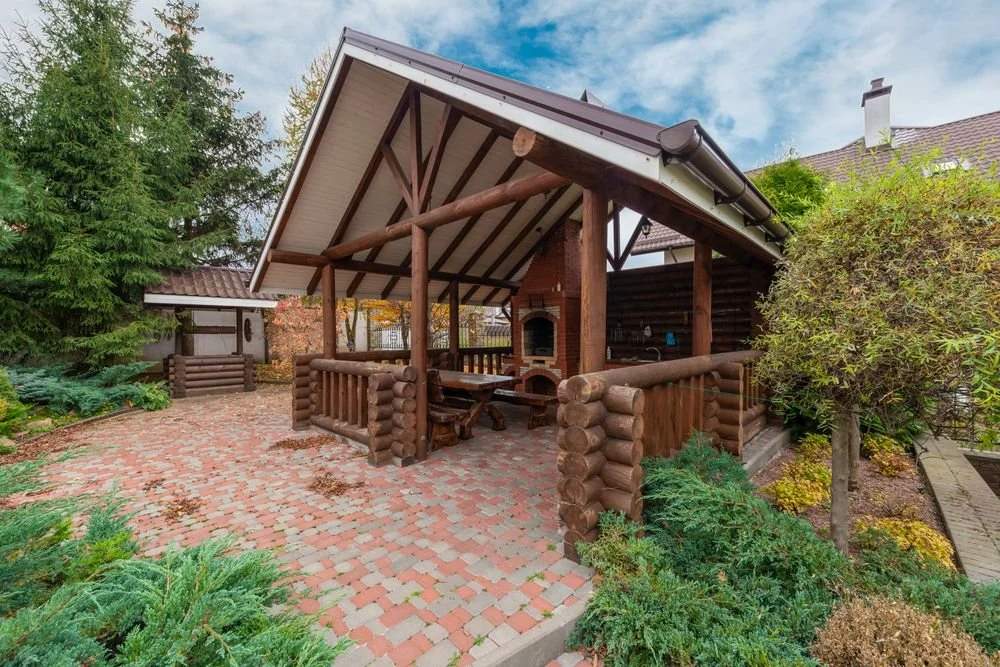
TL;DR
Brick pavers (fired clay) keep their color naturally, while concrete pavers may show gradual color change without sealing and care.
Concrete pavers generally offer more shapes, sizes, colors, and finishes. Standard options often cost less than clay brick, although premium concrete collections may cost as much as or more than brick.
In San Diego County, prioritize proper drainage, UV-resistant finishes, suitable surface texture, and a well-compacted base. Freeze-thaw ratings matter mainly when pavers are used in colder climates.
For stormwater goals, either material can be used in a permeable interlocking system that drains through the joints.
What Are You Comparing, Exactly?
Brick pavers are fired clay units made to paving standards. Concrete pavers are precast concrete units compacted in molds. Both are segmental pavements, meaning the surface is made of many small units over a compacted base with joint material between them.
Brick pavers are covered by ASTM C902 (light traffic) and C1272 (heavy vehicular), while ASTM C936 covers concrete pavers. These standards set minimum strength and durability requirements.
Aviara Pavers designs and installs patios, driveways, entryways, pool decks, and outdoor living surfaces. We use ICPI standards and practices for base preparation, compaction, drainage, jointing, and edge restraint.
As a homeowner, ask how the installer will prepare the base, manage drainage, restrain the edges, and select pavers for your site conditions. Our professional paver installers can explain how each of these installation details will be handled before work begins.
Key Differences That Matter
Material characteristics like color retention, surface texture, and long-term upkeep determine how your courtyard or driveway handles years of coastal sunshine. A quick look at these core distinctions helps you invest wisely in a surface that stays gorgeous for decades with professional help.
Appearance and Color
Brick pavers get their color from the clay body fired in a kiln, so the color goes through the unit. That makes them highly colorfast with a natural, time‑tested look.
While concrete pavers are colored with mineral pigments, their visible surface may gradually lighten from UV exposure, weathering, abrasion, and the natural aging of the cement paste. Appropriate cleaning and a compatible sealer may enhance color and reduce staining, but sealing is optional and will not permanently prevent normal weathering.
Durability and Climate
Both materials can perform well under foot traffic and residential vehicle loads when the product is suitable for the application and the pavement is properly designed and installed.
For most San Diego County projects, drainage, soil preparation, sun exposure, coastal conditions, and anticipated loads are more relevant than freeze-thaw performance.
Product-specific freeze-thaw ratings remain important for installations in colder regions. Base depth and compaction, drainage, bedding, joint material, edge restraints, and workmanship often have as much influence on performance as the paver material itself.
Design Flexibility
Concrete pavers come in a huge range of sizes, thicknesses, textures, and modular patterns. If you want large‑format slabs, cobble textures, or mixed colors, concrete usually has more options. Clay brick typically suits traditional, Mediterranean, Spanish-style, and historic-inspired spaces, while concrete can support both traditional and contemporary designs.
We can coordinate the paver scale, laying pattern, border, and finish across a patio, entryway, driveway, or pool deck so the areas relate visually without appearing identical.
Maintenance and Repairs
Segmental pavements are easy to maintain and repair. Homeowner maintenance typically includes sweeping, occasional washing, and monitoring the joints for material loss.
Joint material must be compatible with the selected paver system. Conventional joint sand or an approved polymeric sand may be used for standard installations, while permeable systems require clean, open-graded aggregate in the joints.
Sustainability and Drainage
If stormwater is a concern, consider a permeable interlocking concrete pavement (PICP) or a permeable clay brick system. These systems use permeable joints and an open-graded stone base to receive and temporarily store water, which can reduce surface runoff when site soils, drainage, and overflow are properly addressed.
Our paver specialists can review whether a permeable layout is practical for the proposed driveway, patio, or walkway before materials are selected.
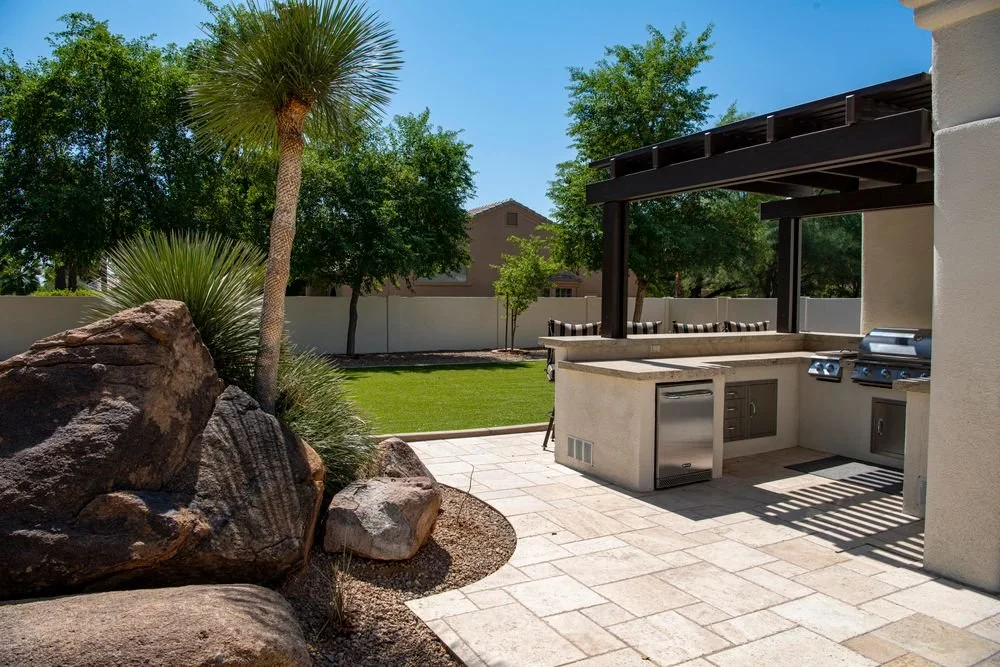
Major Differences: Brick Pavers vs Concrete Pavers
Homeowners in San Diego often want a quick side-by-side snapshot before committing to a hardscape upgrade. This concise view highlights key trade-offs between clay and concrete, giving you immediate confidence as you design your outdoor sanctuary.
| Factor | Brick Pavers (Clay) | Concrete Pavers |
|---|---|---|
| Color Over Time | Natural, through‑body color that stays stable | Pigmented cement surface can show gradual color change; sealing helps |
| Style Range | Classic formats, rich tones | Widest range of sizes, textures, and colors |
| Upfront Cost | Often higher | Often lower |
| Freeze‑Thaw & Deicers | Choose correct weathering class; very durable when specified right | Durable when meeting ASTM C936 and installed well; follow deicer guidance |
| Maintenance | Sweep, wash, refill joints as needed | Similar; sealing and joint stabilizers commonly used |
| Permeable Options | Available with compatible design details | Widely available as PICP systems |
| Repairs | Easy to lift and reset individual units | Same benefit |
Installation Basics That Drive Performance
A gorgeous patio relies heavily on solid base compaction, proper joint sand, and sturdy edge restraints beneath the surface. Proper base preparation and drainage reduce the risk of rocking, spreading, and uneven settlement during use and seasonal rain.
Base and bedding: Ask your installer how the aggregate base will be compacted and how drainage will be managed to reduce settlement and rocking.
Joints: Confirm that the installer will use a joint material approved for the selected paver system and apply it according to the manufacturer’s instructions.
Edging: Ask what type of edge restraint will be used to keep the pavers from shifting or spreading.
Thickness: Your installer should select the paver thickness based on the application, expected loads, laying pattern, base design, and manufacturer requirements.
Cold climate tips: Use products tested for freeze‑thaw, pitch surfaces to drain, use compatible deicers sparingly, and consider sealing where appropriate.
For San Diego County sites with slopes, drainage constraints, or soft soil, we can incorporate grading, base preparation, and edge restraints into the installation plan.
Permeable Paver Systems in a Nutshell
Permeable interlocking systems replace the sand bed and dense base with open‑graded stone that stores water. Joints are filled with clean stone, and the surface looks like standard paving.
Compatible clay or concrete units may be used when a qualified installer designs the entire system for the site’s soil, drainage, storage, and overflow conditions. These pavements can reduce runoff, help meet stormwater regulations, and often need less salt in winter because water does not pond on the surface.
Which One Fits Your Project?
Every home possesses a unique aesthetic, whether you envision a classic brick courtyard or a sleek modern patio.
Start by considering where the pavers will be installed and how you will use the space. A driveway, pool deck, entryway, and patio have different requirements for load capacity, texture, drainage, heat, and appearance.
Choose brick pavers if:
You want color that stays true without relying on sealers.
You prefer traditional character, natural variation, and warm fired-clay tones.
You value long-term color stability and can find a clay product suited to the project’s traffic and exposure.
Choose concrete pavers if:
You want maximum size, texture, and color options.
You are price‑sensitive on upfront materials.
You need a permeable system with abundant product choices and accessories.
Aviara Pavers can help you compare these priorities against your property conditions, architectural style, and project budget.
Examples
These examples show how project type, site conditions, and design goals can influence the choice between clay brick and concrete pavers.
Snow‑Belt Driveway
A homeowner in Minneapolis replaces a cracked concrete driveway. They choose interlocking concrete pavers that meet ASTM C936, 80 mm thick, over a well‑drained base.
Joints use polymeric sand and the surface is sealed with a breathable sealer before winter. The result handles plow traffic, resists deicing salts when used sparingly, and individual units can be lifted to fix any settlement without replacing the whole driveway.
Historic‑Style Patio
A couple in Virginia builds a courtyard patio behind a brick home. They select clay pavers that meet ASTM C902 in a herringbone pattern over a compacted base. The through‑body color blends with the house and stays rich without routine sealing.
After a few seasons, they sweep in fresh sand to top off joints and pressure‑wash once a year to remove leaf stains. The patio reads timeless and needs little attention.
Actionable Steps / Checklist
Use this checklist when discussing your project with a paver designer or installer.
Ask the installer to confirm that the proposed concrete or clay pavers meet the applicable ASTM standard for your project.
Tell the installer how much sun, foot traffic, vehicle traffic, moisture, and coastal exposure the area receives.
Ask how the installation plan will direct water away from structures and prevent water from collecting in the base.
Confirm that the joint material is approved for the paver and pavement system, especially when using polymeric sand or a permeable design.
Check if the installation includes an appropriate edge-restraint system to limit movement.
For driveways and heavier loads, have the installer determine the required unit thickness, pattern, base depth, and compaction method.
If reducing runoff is a priority, ask whether your property is suitable for a permeable paver system.
Ask what routine cleaning, joint maintenance, and optional sealing the selected pavers will require.

Glossary
Clear definitions of industry terminology allow you to make informed decisions for your property.
Segmental Pavement: A surface made of many small units placed over a base, with joints between them.
Bedding Layer: Thin layer under the pavers that helps seat units and distribute loads.
Polymeric Sand: Joint sand mixed with binders that harden when activated with water.
Edge Restraint: A rigid border that holds pavers in place and prevents spread.
Permeable Interlocking Pavement (PICP): A paver system that lets water drain through joints into an open‑graded stone base.
Efflorescence: Temporary white mineral deposit on concrete or masonry surfaces.
Weathering Class: A rating in ASTM brick standards that matches the unit to climate exposure.
Freeze‑Thaw: Repeated cycles of water freezing and thawing that can stress pavements.
FAQ
Q: Will brick pavers fade less than concrete pavers?
A: Brick pavers tend to fade less compared to concrete ones. Brick color comes from fired clay and is through‑body, while concrete pavers rely on pigments in cement paste that can show gradual change without sealing and care.
Q: Which is stronger, brick or concrete pavers?
A: Neither material is automatically stronger for every application. Performance depends on the specific product, unit thickness, traffic, laying pattern, base design, drainage, edge restraints, and installation quality.
Q: Are pavers OK with road salt?
A: Yes, when specified and installed correctly, but all deicers should be used sparingly. Follow manufacturer and industry guidance for freeze‑thaw durability and deicing chemicals.
Q: Can I make either option permeable?
A: Potentially. Compatible clay or concrete units can be incorporated into a properly designed permeable system, but the site’s soil, slope, drainage outlet, storage needs, and local requirements must first be evaluated.
Final Thoughts
Brick and concrete pavers can both provide a durable surface, but the better choice depends on the application, design goals, site conditions, and maintenance expectations. For San Diego County homes, pay particular attention to drainage, sun exposure, surface texture, and how the new paving will connect with the rest of the property.
Aviara Pavers can evaluate your site, compare suitable materials, and develop a project-specific pattern and installation plan for your driveway, patio, entryway, pool deck, or outdoor living area.